
Starting college can be overwhelming, especially navigating a new environment and accessing the essential campus resources available to you. Knowing where to find help, support, and opportunities can significantly impact your academic success, personal growth, and overall college experience. This article will highlight the essential campus resources you should be aware of to make the most of your college journey.
From academic advising and tutoring services to career counseling and mental health support, campus resources are designed to help students thrive. Understanding these essential campus resources and how to access them is crucial for navigating the challenges and maximizing the opportunities that college life presents. By familiarizing yourself with these services, you can build a strong foundation for academic achievement, personal well-being, and future success. This guide will provide you with an overview of the essential campus resources you should know about.
Why Campus Resources Matter
Campus resources are crucial for student success, offering essential support that extends beyond the classroom. They contribute significantly to a well-rounded educational experience and can be instrumental in helping students thrive academically, personally, and professionally.
These resources offer practical assistance with academic challenges, such as writing support and tutoring. They also address vital areas like mental and physical well-being, financial aid, and career development. By utilizing these services, students can navigate challenges, build essential skills, and ultimately enhance their overall college experience.
Accessing these resources can mean the difference between struggling and succeeding. They provide targeted support and guidance tailored to the specific needs of students. Ultimately, campus resources empower students to reach their full potential and achieve their academic and personal goals.
Academic Support Centers
Academic Support Centers are crucial resources for students seeking to enhance their academic performance. They offer a wide array of services designed to help students succeed in their coursework and achieve their academic goals.
Tutoring is a core service provided by these centers. Whether you’re struggling with a specific subject or simply need help understanding a complex concept, tutors can provide personalized guidance and support.
Writing assistance is another valuable service. Trained writing consultants can assist with all stages of the writing process, from brainstorming and outlining to drafting and revising. They can help improve your writing skills, grammar, and overall clarity.
Many centers also offer study skills workshops. These workshops cover topics such as time management, note-taking strategies, test-taking techniques, and research skills. Learning and applying these skills can significantly improve your academic performance.
Career Counseling Services
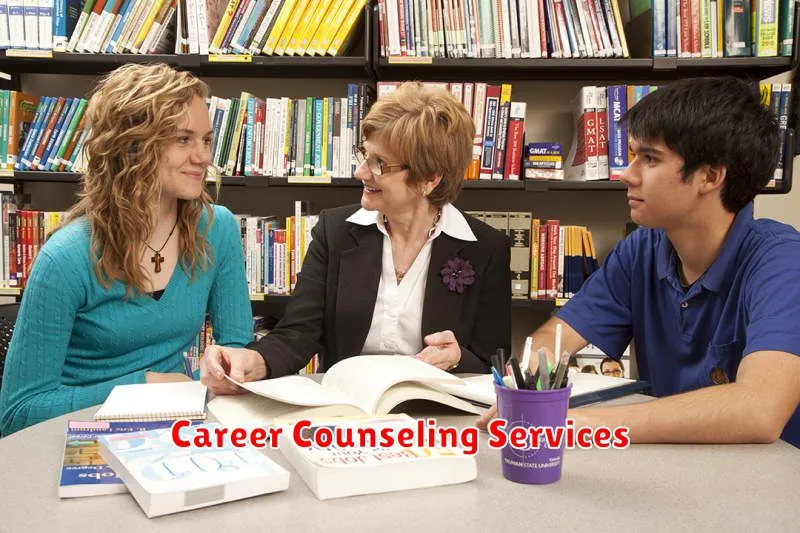
Career counseling is a valuable resource for students and alumni seeking guidance in their professional development. These services can help you explore career options, develop job search strategies, and prepare for the professional world.
Career counselors provide personalized support, assisting with:
- Self-Assessment: Identifying your skills, interests, and values to determine suitable career paths.
- Career Exploration: Researching various industries and occupations.
- Resume and Cover Letter Writing: Crafting effective application materials.
- Interview Preparation: Practicing interview techniques and developing strong responses to common questions.
- Networking: Learning how to connect with professionals in your field of interest.
- Job Search Strategies: Developing effective strategies for finding and securing job opportunities.
- Internship and Job Placement Assistance: Accessing resources and opportunities.
Mental Health and Wellness Support
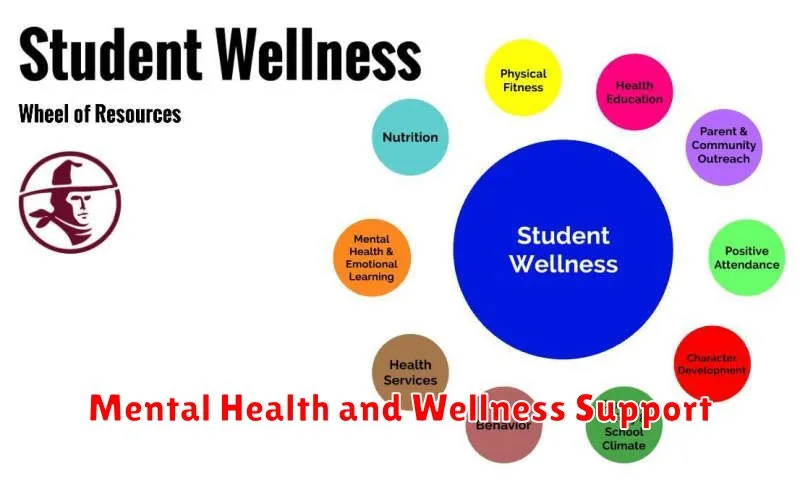
College life can be demanding, and prioritizing your mental well-being is crucial. Your campus likely offers a range of resources to support you.
Counseling Services
Most campuses provide confidential counseling services staffed by licensed professionals. These services can help you navigate stress, anxiety, depression, and other mental health challenges.
Wellness Programs
Many institutions offer wellness programs that promote healthy habits. These may include workshops on stress management, mindfulness, and healthy eating. Some campuses also have recreational facilities for physical activity.
Support Groups
Peer support groups can provide a safe and supportive environment to connect with others facing similar challenges. These groups can foster a sense of community and reduce feelings of isolation.
Library and Research Access
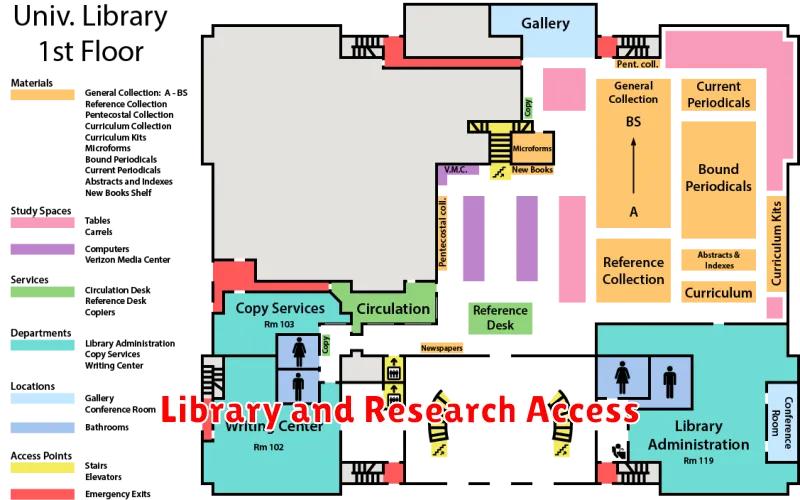
The campus library offers a wealth of resources essential for academic success. Extensive collections of books, journals, and periodicals are available, both physically and digitally.
Trained librarians are available to assist with research strategies, database navigation, and locating specific materials. Take advantage of their expertise to enhance your research skills and find the information you need.
Beyond physical resources, the library often provides access to digital databases, offering a vast repository of scholarly articles, e-books, and other research materials. These resources are typically accessible both on and off campus, providing flexibility for your studies.
Quiet study spaces, computer labs, and collaborative work areas are typically available within the library, offering a conducive environment for focused study and group projects. Familiarize yourself with the library’s layout and resources early in your academic journey to maximize its benefits.
Financial Aid and Scholarship Help
Navigating the financial aspects of higher education can be challenging. Financial aid and scholarships can significantly reduce the burden of tuition and other expenses. Your institution likely has a dedicated financial aid office ready to assist you.
Financial aid comes in various forms, including grants, loans, and work-study programs. Grants typically don’t require repayment, while loans do. Work-study provides part-time employment opportunities to help students earn money for educational expenses.
Scholarships are another valuable resource. They are typically merit-based or awarded based on specific criteria like financial need or intended major. Be sure to research and apply for scholarships offered by your institution, as well as external organizations.
The financial aid office can help you understand the application process for both aid and scholarships. They can also provide guidance on completing the Free Application for Federal Student Aid (FAFSA), a crucial step in securing financial assistance.
Student Activity Offices
Student Activity Offices serve as central hubs for campus involvement. These offices are essential resources for finding information about student clubs, organizations, events, and leadership opportunities. They can provide guidance on how to join existing groups or even start your own.
Connecting with the Student Activity Office is highly encouraged, particularly for new students seeking to integrate into campus life. Staff members can offer personalized recommendations based on your interests and connect you with peers who share similar passions.
Often, these offices also manage resources for student organizations, such as funding, booking event spaces, and promotional support. They may also organize campus-wide events like orientation activities, leadership workshops, and volunteer fairs.
