
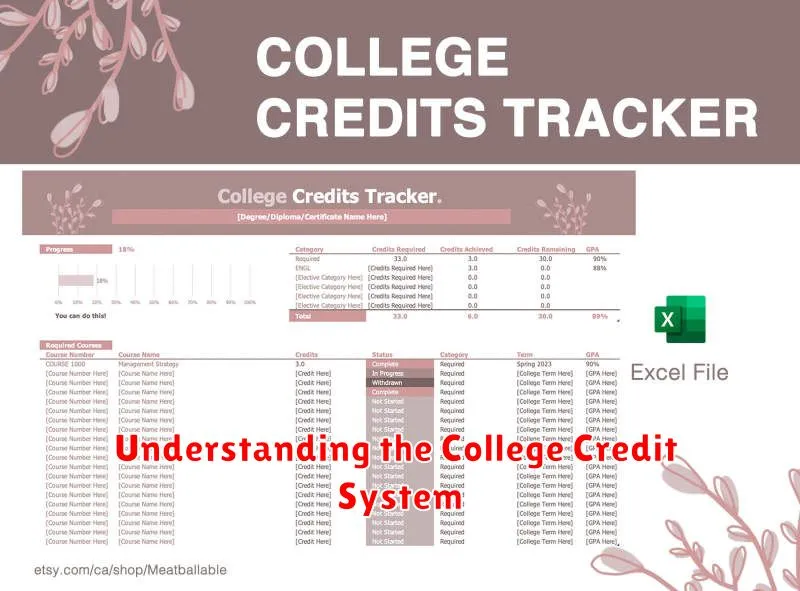
Navigating the complexities of the college credit system can be daunting for prospective and current students alike. Understanding how college credits work is crucial for planning your academic journey, ensuring timely graduation, and managing your educational expenses. This article aims to provide a comprehensive overview of the college credit system, explaining credit hours, transfer credits, and their significance in achieving your academic goals. We’ll delve into the various types of college credits, including how they are earned, calculated, and applied towards degree requirements. Whether you’re considering transferring college credits, exploring different degree programs, or simply seeking a clearer understanding of your academic transcript, this guide will equip you with the essential knowledge you need.
From deciphering credit hour requirements to understanding the implications of transfer credits, a strong grasp of the college credit system empowers you to make informed decisions. Learn how college credits translate into course workload, how they factor into financial aid eligibility, and how they ultimately contribute to the successful completion of your degree. This article will break down the college credit system, offering clarity and practical guidance to help you navigate the academic landscape with confidence. We’ll explore the nuances of credit hours, discuss the process of transferring college credits, and shed light on the importance of understanding your academic progress in terms of accumulated college credits.
What is a College Credit?
A college credit is a unit of value assigned to a course or educational experience, representing the time, effort, and learning associated with it. Earning credits is essential for progressing towards a degree or certificate. The number of credits awarded for a course typically reflects the estimated hours of work required per week throughout the semester.
Credits are used to quantify the academic work completed. They provide a standardized way for institutions to track student progress and ensure that degree requirements are met. Different types of credits exist, such as semester credits, quarter credits, and clock hours, depending on the institution’s system.
Generally, a single semester credit hour represents one hour of classroom instruction or two to three hours of independent study per week over a standard semester (around 15 weeks). Therefore, a three-credit course typically involves three classroom hours per week and six to nine hours of independent study.
How Credits Affect Graduation
Credits are the building blocks of your academic progress. They represent the successful completion of coursework and are used to measure your advancement toward degree completion. Each college or university sets a minimum credit requirement for graduation.
Typically, a bachelor’s degree requires 120 credits, although this can vary. Meeting the credit requirement alone isn’t sufficient; you must also fulfill specific degree requirements, including completing general education courses, major-specific courses, and elective courses.
Your academic advisor can help you plan your coursework to ensure you meet both the credit requirements and the specific course requirements for your chosen degree program. Tracking your credit accumulation is essential throughout your college career to stay on track for graduation.
Core vs Elective Credits

Understanding the difference between core and elective credits is crucial for navigating the college credit system. Core credits are required courses that form the foundation of your degree program. These courses provide essential knowledge and skills relevant to your major.
Elective credits, on the other hand, offer flexibility and allow you to explore areas of interest outside your major requirements or delve deeper into a specific subject within your field. Electives broaden your academic horizons and can contribute to a well-rounded education.
While the specific courses required for core credits are generally predetermined, you typically have a range of choices for electives. Balancing core and elective courses ensures both specialized knowledge in your chosen field and the development of a broader intellectual perspective.
Credit Transfer Between Colleges
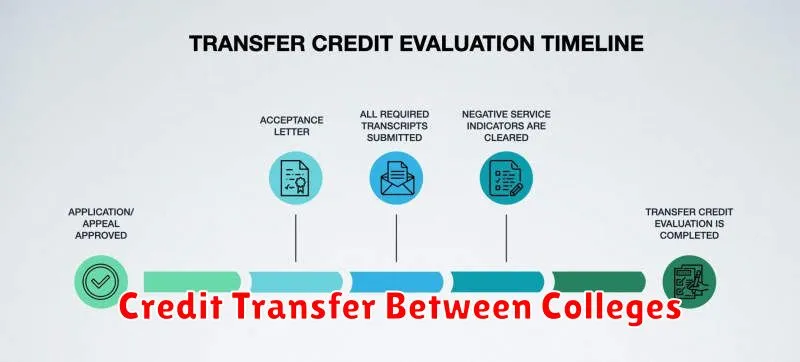
Transferring credits earned at one college to another can significantly impact a student’s academic journey. Successfully transferring credits can save both time and money by allowing students to apply previously earned credits towards their degree requirements at a new institution.
However, the transfer process isn’t always straightforward. Colleges have varying policies regarding which credits they accept. Course equivalency plays a crucial role; a course taken at one institution may not fulfill the same requirements at another, even if the course titles are similar. Factors influencing credit transfer include the accreditation of the sending institution, the receiving institution’s curriculum, and the grades earned in the transferred courses.
Students considering transferring credits should initiate the process early. Contacting the receiving institution’s admissions or registrar’s office is essential to understand their specific transfer policies and required documentation. Requesting official transcripts from previous institutions is also crucial. Articulation agreements between colleges can streamline the transfer process for certain programs or courses.
Maximizing Your Credit Load
Maximizing your credit load involves strategically taking more credit hours per semester than the typical minimum required for full-time status. While this can be a beneficial approach for some students, careful consideration of various factors is crucial. A higher credit load can lead to earlier graduation, potentially saving time and money.
However, it’s essential to realistically assess your academic capabilities. A heavier course load demands significant time management skills and a strong ability to handle multiple academic responsibilities concurrently. Overloading your schedule can lead to lower grades, increased stress, and potential burnout. Before increasing your credit load, honestly evaluate your study habits, time management skills, and ability to handle academic pressure.
Consider external commitments as well. Do you have a job, family responsibilities, or extracurricular activities that demand a significant portion of your time? Balancing these commitments with a heavier academic workload requires meticulous planning and prioritization.
Consult with your academic advisor to discuss the potential benefits and drawbacks of a maximized credit load specific to your academic goals and personal circumstances. They can provide guidance on course selection, degree requirements, and potential challenges.
