
Choosing the right college clubs can significantly enhance your college experience. Joining student organizations provides opportunities for personal growth, networking, and skill development. It’s crucial to carefully consider which college clubs align with your interests and goals. Exploring different campus organizations, from academic clubs and student government to sports clubs and hobby groups, will help you find the perfect fit. College club involvement not only enriches your resume but also contributes to a well-rounded education and a vibrant social life.
Navigating the numerous college clubs available can feel overwhelming. This guide offers practical advice on how to select the student organizations that will best suit your needs. We’ll explore strategies for identifying your interests, researching different campus organizations, and balancing college club involvement with your academic commitments. By following these tips, you can make informed decisions about which college clubs to join, maximizing your college experience and building a strong network of peers and mentors.
The Importance of Extracurriculars
Participating in extracurricular activities offers significant benefits for college students. These activities provide opportunities to develop valuable skills beyond the classroom, enhancing your resume and preparing you for future careers. Employers often look for well-rounded individuals who demonstrate leadership, teamwork, and time management skills, all of which can be cultivated through extracurricular involvement.
Extracurriculars also offer a chance to explore different interests and passions. Whether it’s joining a debate club, volunteering in the community, or playing a sport, these activities allow you to discover new talents and expand your horizons. This exploration can help solidify your career goals or even lead you down unexpected paths.
Furthermore, extracurricular activities are a great way to network and build connections. They provide opportunities to meet new people, including fellow students, faculty, and professionals in your field of interest. These connections can be invaluable for internships, job opportunities, and mentorship.
Identifying Your Interests
The first step in choosing the right college clubs is to identify your interests. Consider what you enjoy doing in your free time. What topics spark your curiosity? What activities make you feel energized and engaged?
Reflect on your past experiences. Were you involved in any extracurricular activities in high school? Did you have any hobbies or passions you pursued outside of school? These can provide valuable clues about your interests.
Don’t limit yourself to what you already know. College is a time for exploration and discovery. Be open to trying new things and expanding your horizons. Consider areas you’ve always been curious about but haven’t had the opportunity to explore.
Thinking about your skills can also be helpful. Are you a strong writer? Do you enjoy public speaking? Are you good at organizing events? Identifying your skills can help you find clubs where you can contribute and excel.
Exploring Club Categories
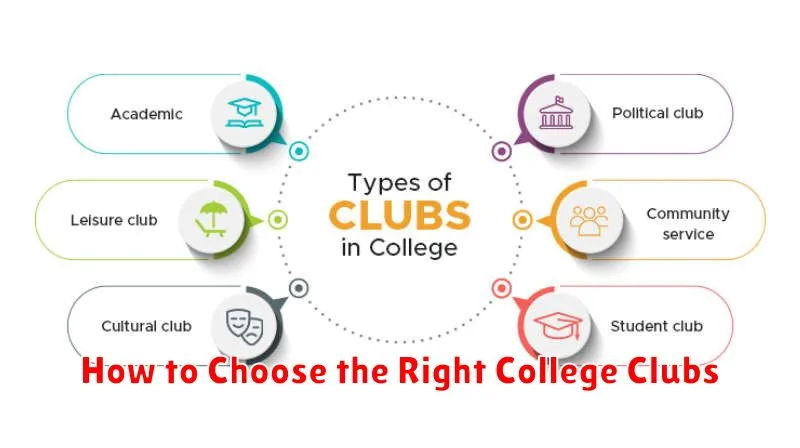
A crucial step in selecting the right college clubs involves understanding the diverse categories available. Categorizing clubs helps narrow down your options and focus on areas aligning with your interests and goals.
Common club categories include:
- Academic/Professional: These clubs cater to specific academic disciplines, offering opportunities for networking, skill development, and career exploration. Examples include debate clubs, pre-law societies, and engineering organizations.
- Arts & Culture: For creatively inclined students, these clubs encompass visual arts, performing arts, music, literature, and film. Consider joining a photography club, a cappella group, or a theater troupe.
- Community Service/Volunteer: These clubs focus on giving back to the community through volunteer work and social action. Examples include environmental clubs, tutoring programs, and Habitat for Humanity chapters.
- Special Interest: This broad category covers a wide range of hobbies and interests, from gaming and anime to hiking and cooking. These clubs provide a platform to connect with like-minded individuals.
- Sports & Recreation: From intramural sports teams to outdoor adventure clubs, these organizations promote physical activity and healthy lifestyles.
- Cultural/Identity: These clubs celebrate cultural diversity and provide support for students from various backgrounds. Examples include international student associations and cultural awareness groups.
Visiting Club Fairs and Meetings

Club fairs offer a centralized opportunity to explore numerous clubs simultaneously. Take advantage of these events to gather information and speak with current club members. Come prepared with questions about meeting schedules, member commitments, and club activities.
Attending a club’s initial meetings provides a more in-depth look into the organization’s culture and operations. Observe the dynamics between members and gauge the meeting’s formality and structure. This direct experience will help determine if the club is a good fit for you.
Don’t be afraid to actively participate during these meetings. Introduce yourself and ask questions. Your engagement will demonstrate genuine interest and provide valuable insight into the club’s atmosphere.
Balancing Academics and Involvement

Joining college clubs offers incredible opportunities for personal and professional growth. However, it’s crucial to strike a balance between extracurricular activities and your academic responsibilities. Overcommitting can lead to stress and negatively impact your grades.
Before joining any clubs, honestly assess your current workload and time management skills. Consider the time commitment required for each club, including meetings, events, and any additional responsibilities.
Prioritize your academics. Schedule dedicated study time and treat it like any other important appointment. Don’t be afraid to say no to club activities if they conflict with your academic obligations.
Start small. It’s better to join one or two clubs and be actively involved than to spread yourself too thin across multiple organizations. You can always join more clubs later if you find you have the time and energy.
Leadership Opportunities Through Clubs

College clubs offer invaluable avenues for developing and showcasing leadership skills. Participating in a club allows you to take on roles with increasing responsibility, from committee member to club officer. These positions often involve tasks such as organizing events, managing budgets, and leading teams. Such experiences cultivate practical leadership skills applicable to future careers.
Identifying clubs with leadership potential involves looking beyond the club’s stated purpose. Consider clubs with active memberships, a clear organizational structure, and a history of successful events or initiatives. These factors suggest a fertile ground for leadership development.
Different clubs offer different leadership styles. A debate club might foster persuasive communication and strategic thinking, while a volunteering club emphasizes community engagement and collaboration. Choosing a club aligned with your interests and desired leadership style is crucial.
