
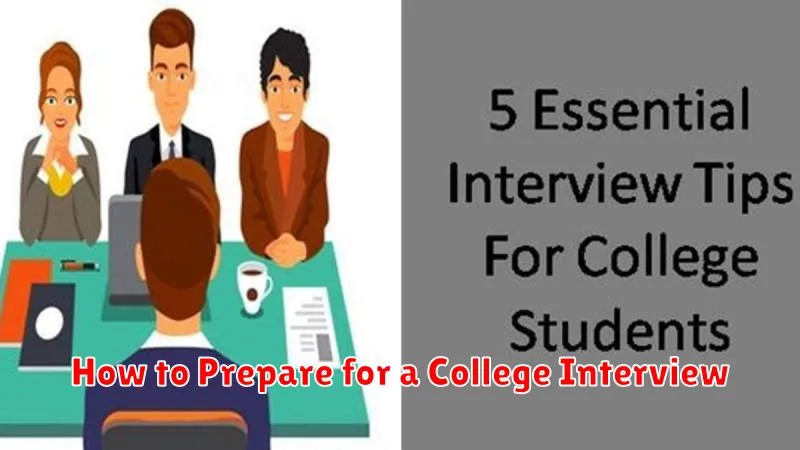
The college interview is a crucial step in the application process, offering a unique opportunity to showcase your personality, skills, and passion for learning beyond your academic achievements. Preparing for a college interview effectively can significantly impact your admission prospects. This guide provides comprehensive strategies to help you approach your college interviews with confidence, from understanding different interview formats to crafting compelling responses and mastering essential etiquette. Whether you’re facing an alumni interview, a virtual interview, or an on-campus interview, thorough preparation is key to making a lasting impression.
Navigating the complexities of college interview preparation can be daunting. This article will equip you with the tools you need to succeed, outlining key steps to effectively prepare for your college interview. We’ll cover essential aspects such as researching the college and the interviewer, formulating thoughtful answers to commonly asked interview questions, and projecting a confident and engaging demeanor. By understanding the nuances of the college interview process and following the advice presented here, you can transform the interview from a source of anxiety into an opportunity to shine.
Why Interviews Matter
The college interview plays a critical role in the admissions process, offering a chance for applicants to showcase qualities that may not be fully evident in their application materials. It provides a more personal and dynamic representation of who you are beyond grades and test scores.
For the applicant, the interview provides an opportunity to:
- Express genuine interest in the institution.
- Demonstrate communication and interpersonal skills.
- Share unique experiences and perspectives.
- Ask clarifying questions and learn more about the college.
For the college, the interview allows them to:
- Assess a student’s fit for the campus culture.
- Gauge an applicant’s maturity and enthusiasm.
- Gain a deeper understanding of the applicant’s motivations and goals.
While not always required, a strong interview can significantly strengthen your application and leave a lasting positive impression.
Researching the Institution
Thorough research is crucial before your college interview. Understanding the institution demonstrates genuine interest and allows you to ask informed questions. Focus your research on aspects that resonate with you and connect them to your personal goals.
Explore the college’s academic programs. Look beyond basic descriptions. Investigate specific courses, faculty research interests, and departmental initiatives that align with your intended major or academic passions. Consider how the college’s curriculum can support your academic aspirations.
Research the campus culture and extracurricular activities. What clubs, organizations, or events pique your interest? Understanding the campus environment helps you determine if the college is a good fit for your personality and interests. Consider how you might contribute to the campus community.
Practicing Common Questions
Practicing responses to common interview questions is a crucial step in interview preparation. It allows you to formulate thoughtful answers and present yourself confidently. By rehearsing, you’ll become more comfortable discussing your experiences and aspirations.
Consider these common question categories:
- “Tell me about yourself.” Prepare a concise summary of your background, interests, and reasons for applying to the college.
- Academic questions. Be ready to discuss your academic strengths, weaknesses, and favorite subjects. Reflect on your learning experiences and be prepared to share specific examples.
- Extracurricular activities. Review your involvement in clubs, sports, or volunteer work. Emphasize the skills and values you’ve developed.
- “Why this college?” Research the college thoroughly and articulate specific reasons for your interest, referencing programs, faculty, or campus culture.
- Questions for the interviewer. Prepare insightful questions to demonstrate your genuine interest in the college.
Practice answering these questions aloud, either with a friend, family member, or by yourself. This practice will help you refine your responses and boost your confidence.
Dressing Professionally
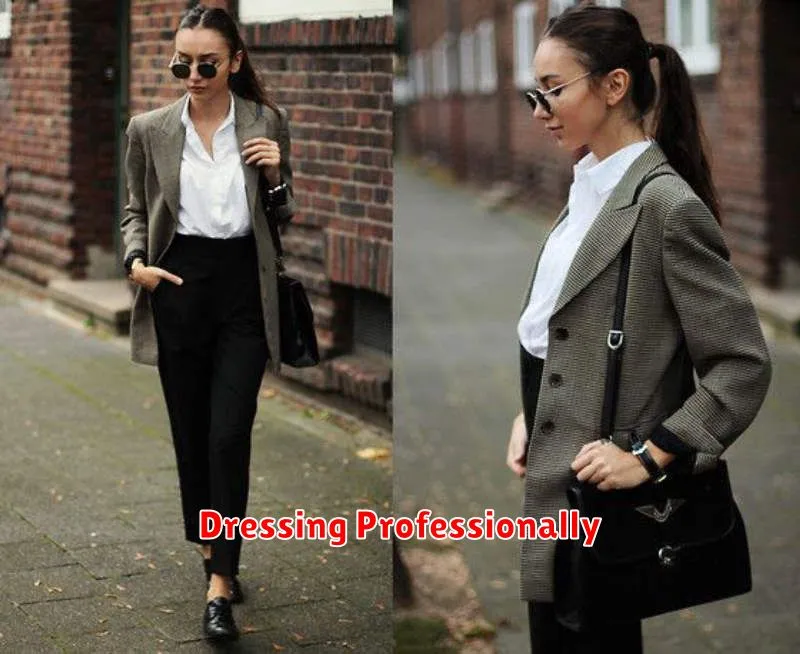
Your attire plays a crucial role in making a positive first impression. Dressing professionally demonstrates respect for the institution and the interviewer, while also projecting an image of competence and seriousness about your academic pursuits. Even in a virtual interview setting, appropriate attire is important.
For in-person interviews, aim for business casual or business professional attire. Generally, this means wearing slacks or a skirt paired with a button-down shirt or blouse. A blazer or sport coat can add a polished touch. Avoid excessively casual clothing such as jeans, t-shirts, and sneakers. Ensure your clothing is clean, ironed, and free of any distracting elements.
For online interviews, maintain a similar level of formality from the waist up. While the interviewer may not see your lower half, dressing fully in professional attire can help you maintain a professional mindset. Pay attention to the background visible in your video and ensure it is tidy and uncluttered.
Staying Calm and Confident
Interviewing can be nerve-wracking, but projecting calmness and confidence is crucial. Practice is key. Rehearse common interview questions with a friend, family member, or career counselor. The more familiar you are with discussing your experiences and goals, the more comfortable you’ll feel during the actual interview.
Deep breathing exercises can help manage anxiety before and during the interview. Take slow, deep breaths to calm your nerves. Remember to maintain eye contact with the interviewer, offering a firm handshake at the beginning and end. These small gestures project confidence.
Prepare thoughtful questions to ask the interviewer. This demonstrates your genuine interest and engagement. Finally, remember that the interview is a two-way street. It’s an opportunity for you to assess if the college is the right fit for you, too.
Following Up After the Interview
Sending a thank-you note after your college interview is a crucial step. It shows your continued interest and reinforces the positive impression you hopefully made. Ideally, send this note within 24-48 hours of your interview.
Your thank-you note doesn’t need to be lengthy. Keep it concise and reiterate your interest in the college while highlighting something specific you discussed during the interview. This demonstrates you were actively engaged and listening. Mentioning a particular program, professor, or class you discussed can personalize your message and make it more memorable.
Email is generally acceptable for thank-you notes, especially if the college communicates primarily through email. However, a handwritten note can add a personal touch, showcasing extra effort. If you choose to send a handwritten note, ensure it’s legible and professional.
