
Applying for university scholarships can be a daunting task, but it is a crucial step towards funding your higher education. Securing financial aid through scholarships can significantly reduce the burden of tuition fees and other educational expenses. This article serves as a comprehensive guide on how to apply for university scholarships, providing you with valuable insights and practical tips to navigate the process effectively. Whether you’re a high school senior preparing for college or a current university student seeking additional funding, understanding the scholarship application process is essential. We will cover key aspects, including identifying suitable scholarships, crafting a compelling application, and meeting deadlines.
From merit-based scholarships that recognize academic excellence to need-based scholarships that provide financial assistance to students from low-income backgrounds, there are numerous opportunities available. This guide will help you identify the right scholarships that align with your qualifications and financial needs. We will also delve into the specific requirements of scholarship applications, such as writing a strong personal essay, obtaining letters of recommendation, and demonstrating community involvement. By following the advice and strategies outlined in this article, you can increase your chances of securing university scholarships and achieving your educational goals.
Why Scholarships Are Important
Scholarships play a crucial role in expanding access to higher education. They provide financial assistance to students, reducing or eliminating the burden of tuition fees, books, and other educational expenses. This allows students to focus on their studies rather than worrying about financial constraints.
Merit-based scholarships recognize and reward academic excellence, motivating students to strive for high achievement. Need-based scholarships ensure that financial limitations do not prevent deserving students from pursuing their educational goals.
Scholarships can also open doors to opportunities that might otherwise be inaccessible. They can enable students to attend prestigious universities, participate in enriching extracurricular activities, and gain valuable experience through internships or research programs.
Types of Available Scholarships
Understanding the different types of scholarships available is crucial to a successful application process. Scholarships can be broadly categorized based on various criteria, including merit, need, and specific demographics or fields of study.
Merit-Based Scholarships
These scholarships are awarded based on academic achievement, standardized test scores, and other indicators of exceptional talent. They may also consider extracurricular activities, leadership roles, and community involvement.
Need-Based Scholarships
Financial need is the primary determining factor for these scholarships. Applicants are typically required to submit financial information demonstrating their eligibility. These awards aim to make higher education accessible to students from diverse socioeconomic backgrounds.
Demographic-Specific Scholarships
Certain scholarships are designated for students from particular demographic groups, such as ethnic minorities, women, or students with disabilities. These scholarships aim to promote diversity and inclusion within higher education.
Field of Study Scholarships
Many scholarships are designed for students pursuing a specific major or field of study. These are often funded by professional organizations or companies seeking to support future professionals in their respective industries.
Preparing Required Documents
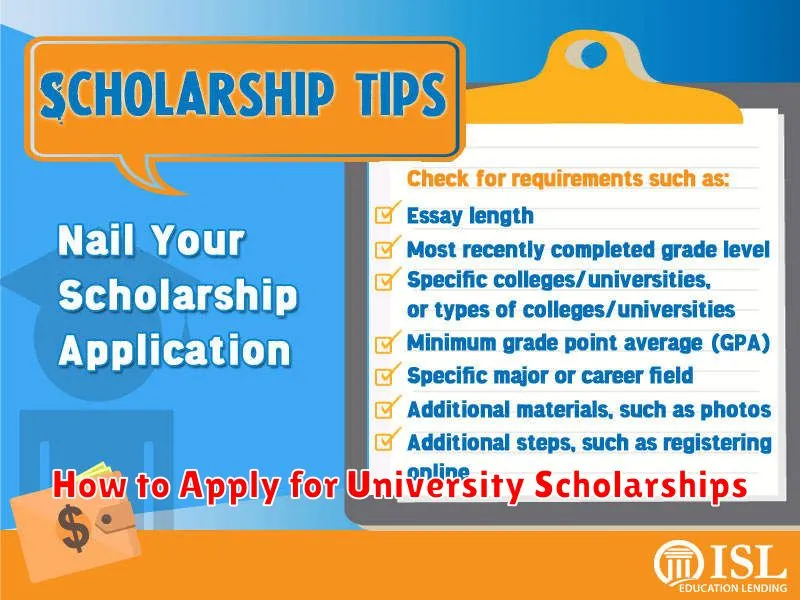
Gathering the necessary documents is a crucial step in the scholarship application process. Being organized and prepared will streamline your application and demonstrate your commitment.
Typically, scholarship applications require some combination of the following:
- Transcripts: Official transcripts from your high school or previous academic institutions are almost always required. These documents validate your academic performance and provide a record of your coursework.
- Letters of Recommendation: Strong letters of recommendation can significantly bolster your application. Choose recommenders who know you well and can speak to your strengths and abilities.
- Standardized Test Scores: Some scholarships require standardized test scores like the SAT or ACT. Be sure to check the specific requirements for each scholarship you are applying for.
- Personal Essay or Statement of Purpose: This is your opportunity to showcase your personality, goals, and why you deserve the scholarship. Craft a compelling narrative that highlights your unique qualities and aspirations.
- Resume or Curriculum Vitae (CV): A resume or CV provides a summary of your experiences, skills, and accomplishments. Include any relevant extracurricular activities, volunteer work, or employment history.
- Proof of Financial Need (if applicable): Some scholarships are need-based and require documentation of your family’s financial situation. Be prepared to provide supporting documents if necessary.
Remember to carefully review the specific document requirements for each scholarship. Deadlines and required formats may vary.
Writing a Winning Essay

A compelling essay is often the cornerstone of a successful scholarship application. It’s your opportunity to showcase your personality, skills, and aspirations beyond grades and test scores. Clarity, conciseness, and authenticity are key to making your essay stand out.
Begin by carefully reading the essay prompt. Understand what the selection committee is looking for and tailor your response accordingly. Brainstorm ideas and create an outline to structure your thoughts effectively. A well-structured essay typically includes an introduction with a strong thesis statement, supporting paragraphs that provide evidence and examples, and a concise conclusion that summarizes your main points.
Proofread meticulously for grammatical errors, typos, and clarity issues. Consider asking a teacher, mentor, or trusted friend to review your essay for feedback before submission. A polished and error-free essay demonstrates your attention to detail and commitment to excellence.
Meeting Deadlines Effectively

Meeting scholarship deadlines is crucial. Missing a deadline can disqualify you, regardless of how strong your application is. Effective time management is key to submitting everything on time.
Start by creating a calendar specifically for scholarship applications. List every scholarship you’re applying for, including each component’s due date. Break down larger tasks, like essay writing, into smaller, manageable steps. For example, schedule time for research, outlining, drafting, revising, and proofreading.
Prioritize deadlines. Focus on scholarships with approaching deadlines first. Build in buffer time for unexpected delays. Don’t wait until the last minute to submit your materials. Aim to complete everything a few days before the actual deadline. This provides time to review and catch any errors.
Following Up After Submission
After submitting your scholarship application, it’s important to maintain a professional and proactive approach. While consistent follow-up is generally discouraged, there are specific instances where it is appropriate.
Check the scholarship provider’s guidelines for specific instructions regarding follow-up communication. Some organizations may explicitly state their preferred method and timeframe for inquiries.
If the deadline has passed and you haven’t received any communication regarding the status of your application, it may be acceptable to send a polite email inquiring about the decision timeline. Keep your email concise and respectful, reiterating your interest in the scholarship and referencing your application.
Avoid frequent follow-ups, as this can be perceived negatively. Patience is crucial during the decision-making process. Focus your energy on other scholarship opportunities while you await a response.
