
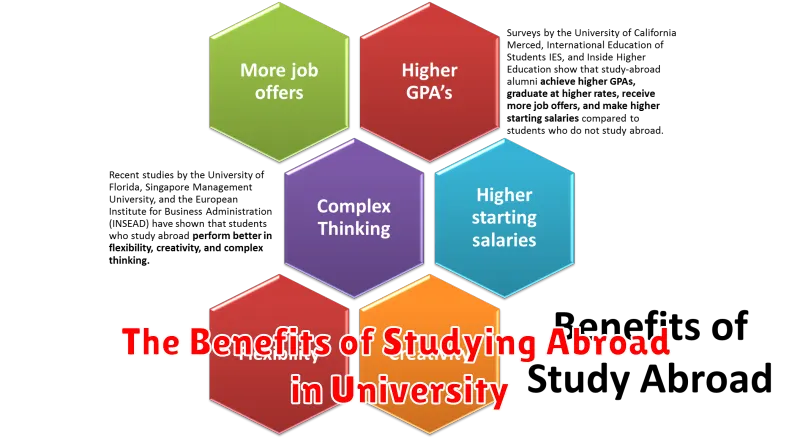
Embarking on a study abroad program during your university years is a transformative experience with numerous benefits. Studying abroad offers unparalleled opportunities for personal and academic growth, expanding your worldview and enriching your understanding of different cultures. From gaining valuable intercultural skills and enhancing your university education to boosting your career prospects and building lifelong connections, the benefits of studying abroad are far-reaching and can significantly impact your future. If you are considering enriching your university experience and preparing for a globalized world, exploring the advantages of a study abroad program is essential.
This article will delve into the multifaceted benefits of studying abroad in university. We will explore how immersing yourself in a new academic environment and culture can enhance your university education, foster personal development, and broaden your career horizons. Discover how studying abroad can provide you with a competitive edge in the job market, cultivate valuable life skills, and create unforgettable memories. Whether you’re considering a semester-long exchange or a full degree program abroad, understanding the profound impact of international education on your university experience and beyond is crucial.
Why Study Abroad Programs Exist
Study abroad programs exist to bridge the gap between theoretical learning and real-world experience. They offer students the opportunity to immerse themselves in different cultures, broadening their perspectives and fostering global citizenship.
These programs are designed to enhance educational experiences by providing access to diverse academic systems, specialized courses, and international research opportunities. They cultivate valuable skills such as adaptability, cross-cultural communication, and problem-solving, all of which are highly sought after in today’s interconnected world.
Furthermore, study abroad programs aim to foster personal growth and independence. Navigating unfamiliar environments and overcoming challenges builds resilience and self-reliance. These experiences contribute to a more well-rounded individual prepared to succeed in a globalized society.
Experiencing New Cultures
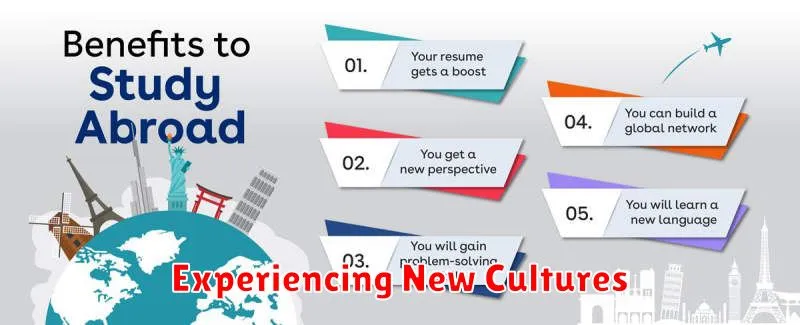
Studying abroad offers an unparalleled opportunity to immerse oneself in a new culture. This direct experience goes far beyond textbook learning, providing a deeper understanding of different customs, traditions, and perspectives. It allows students to develop intercultural competence, a valuable skill in today’s increasingly globalized world.
Daily life becomes a classroom. From navigating public transportation to ordering food, students encounter new situations that challenge their assumptions and broaden their horizons. They gain firsthand knowledge of a culture’s nuances, fostering empathy and appreciation for diversity.
Social interactions with locals are integral to cultural immersion. Engaging with people from different backgrounds enhances communication skills and builds meaningful connections. These experiences contribute to personal growth and a more nuanced understanding of the world.
Improving Language and Communication Skills
Studying abroad significantly enhances language proficiency and communication skills. Daily interaction with native speakers provides immersive learning experiences that accelerate language acquisition.
Beyond vocabulary and grammar, studying abroad fosters intercultural communication competence. Students learn to navigate diverse communication styles, both verbal and nonverbal, and gain a deeper understanding of cultural nuances. This enhanced cultural awareness leads to improved adaptability and empathy, valuable assets in an increasingly interconnected world.
Confidence in speaking the host language grows exponentially through regular practice in real-world settings. This increased fluency extends beyond classroom learning, impacting social interactions and professional opportunities.
Academic and Career Advantages
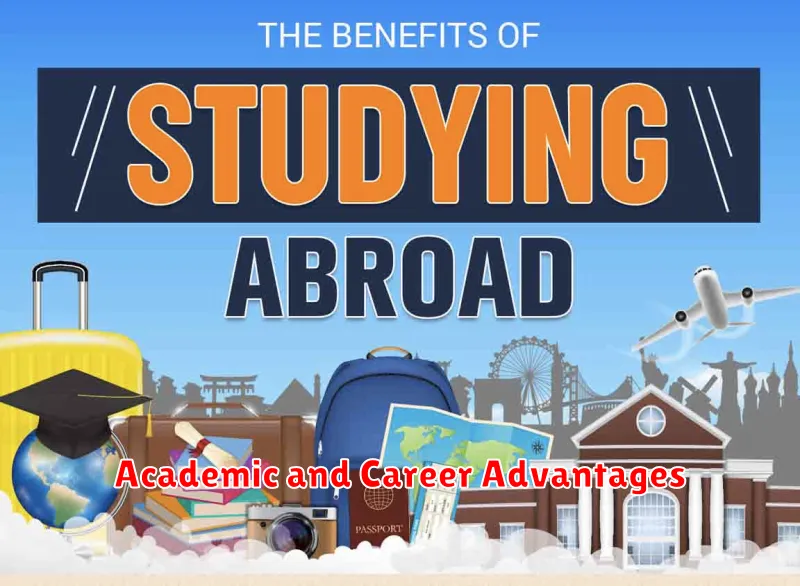
Studying abroad offers significant academic and career advantages. Exposure to different educational systems, teaching styles, and research approaches broadens your academic horizons and fosters critical thinking. It allows you to specialize in a field not readily available in your home institution, giving you a competitive edge.
Furthermore, international experience is highly valued by employers. It demonstrates adaptability, cross-cultural communication skills, and problem-solving abilities in unfamiliar environments. These are essential qualities sought after in today’s globalized job market. Studying abroad can significantly enhance your resume and increase your employability.
Language acquisition is another key benefit. Immersion in a foreign language environment accelerates learning and fluency, which can open doors to various career opportunities. Moreover, the personal growth and increased self-confidence gained from navigating a new culture and overcoming challenges contribute to overall professional development.
Planning and Budgeting the Journey
Planning your study abroad experience is crucial for a successful and enriching journey. Start early, researching potential destinations and programs that align with your academic and personal goals.
Budgeting is equally important. Create a comprehensive budget that includes tuition, accommodation, travel, visa fees, insurance, and daily expenses. Research the cost of living in your chosen destination and factor in potential fluctuations in currency exchange rates.
Consider exploring scholarships, grants, and financial aid opportunities to help offset the costs. Many universities and external organizations offer funding specifically for study abroad programs.
Meticulous planning and budgeting will ensure you can fully immerse yourself in the experience without unnecessary financial stress.
