
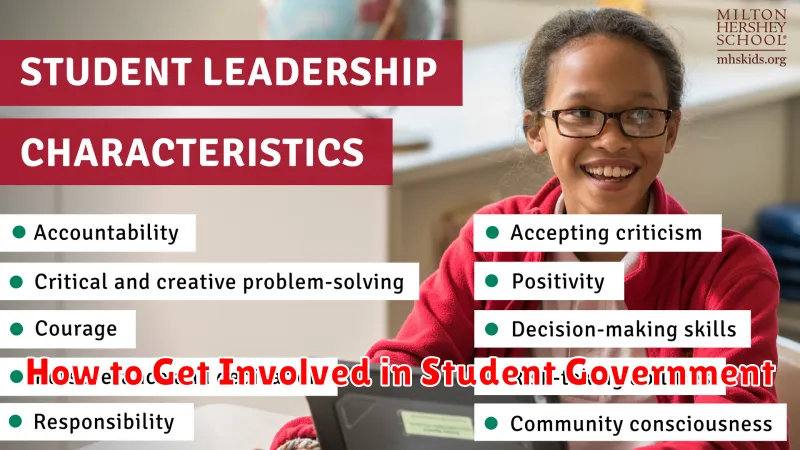
Are you passionate about making a positive impact on your school community? Do you have innovative ideas for improving student life? Student government offers a powerful platform to amplify your voice and contribute to real change. Whether you’re interested in advocating for student rights, organizing school events, or shaping school policies, getting involved in student government can be a rewarding experience. This guide will provide you with a comprehensive roadmap on how to join student government, navigate the election process, and ultimately, become a successful student leader. Learning how to get involved in student government is the first step towards making a difference.
From understanding the structure of your school’s student government association to crafting a compelling campaign, this article will equip you with the essential tools and strategies for success. Discover how to effectively communicate your vision, build strong relationships with your peers, and advocate for the needs of the student body. Whether you aspire to be class president, a club representative, or simply want to contribute to a student-led initiative, this guide will help you navigate the path towards student leadership and empower you to create positive change within your school. Learn how to get involved in student government and begin your journey towards becoming a leader today.
Benefits of Joining Student Government
Participating in student government offers numerous advantages for personal and professional development. Leadership skills are honed through planning events, managing budgets, and representing the student body. This experience provides valuable practice in public speaking, negotiation, and consensus-building.
Student government provides a platform to effect positive change within the school community. Members can advocate for student needs and interests, contributing to improvements in school policies and resources. This involvement fosters a sense of civic responsibility and empowers students to make a real difference.
Joining student government is an excellent way to network with peers, faculty, and administrators. Building these relationships can open doors to mentorship opportunities and valuable insights into various career paths. Furthermore, student government experience demonstrates initiative and commitment, qualities highly valued by colleges and employers.
Different Roles and Responsibilities
Student government positions vary across institutions, but common roles include president, vice president, treasurer, and secretary. Specific responsibilities are typically outlined in the student government constitution or bylaws.
The president generally presides over meetings, represents the student body, and works with school administration. The vice president often assists the president and takes on leadership roles in their absence. The treasurer manages the student government’s finances and budget. The secretary maintains official records, meeting minutes, and correspondence.
Beyond these executive positions, many student governments have representatives for different classes, departments, or residential halls. These representatives advocate for their constituents’ interests and bring their concerns to the larger student government body.
Committee involvement is another common aspect of student government. Committees focus on specific areas like campus activities, student welfare, or community outreach. Students can join committees based on their interests and contribute to specific initiatives.
How to Run for Office

Running for student government is a rewarding experience. It offers the chance to develop leadership skills and make a real difference in your school community. Here’s how to navigate the process:
Understanding the Positions
Research the available positions. Each role has different responsibilities, from class representative to student body president. Understand what each entails to choose the best fit for your interests and skills.
Meeting the Requirements
Review the eligibility requirements. These may include maintaining a certain GPA, having a clear disciplinary record, and gathering a required number of student signatures to endorse your candidacy. Be sure to meet all deadlines.
Campaigning Effectively
Develop a clear campaign message. Focus on the issues you want to address and how you plan to improve the student experience. Communicate your message effectively through speeches, posters, and interacting with your peers.
Preparing for the Election
Be prepared to answer questions during a candidate forum or debate. Practice your public speaking skills and be ready to articulate your vision for student government. After the election, regardless of the outcome, thank your supporters and remain involved in the school community.
Building Leadership and Communication Skills

Student government provides an excellent platform for developing crucial leadership and communication skills. Active participation fosters growth in areas such as delegation, decision-making, and conflict resolution.
Leading committees or managing projects within student government requires effective organization and planning. These experiences translate directly into valuable skills applicable in future professional settings.
Furthermore, student government necessitates constant communication with diverse groups, from fellow students to faculty and administrators. This cultivates the ability to articulate ideas clearly, actively listen to different perspectives, and build consensus.
Regularly engaging in discussions, debates, and presentations hones public speaking skills, boosting confidence and composure when addressing audiences.
Making a Positive Impact on Campus
Student government offers a unique platform to affect meaningful change within your academic community. By participating, you gain the ability to advocate for student needs, address important issues, and contribute to a more vibrant campus life.
Identifying areas for improvement is the first step. Consider aspects of campus life that could benefit from enhancement, such as academic resources, student support services, or extracurricular activities. Engage with fellow students to gather diverse perspectives and understand their concerns.
Once you’ve identified key areas, develop concrete proposals outlining potential solutions. These proposals should be well-researched and clearly articulate the benefits they would bring to the student body. Presenting these proposals during student government meetings allows for open discussion and collaborative decision-making.
Finally, active participation is crucial. Attend meetings regularly, contribute to discussions, and collaborate with other student government members. Through consistent involvement, you can ensure your voice is heard and contribute to making a positive impact on your campus.
