

Your campus library is more than just a building filled with books. It’s a vital resource for academic success, offering a wealth of information, technology, and support services. Whether you’re a freshman navigating the complexities of higher education or a seasoned senior preparing for graduation, learning how to maximize the library’s resources can significantly enhance your academic journey. This article will explore various ways to make the most of your campus library, transforming it from a quiet study space into a powerful tool for research, learning, and collaboration.
From accessing comprehensive databases and utilizing expert research assistance to discovering quiet study areas and engaging in collaborative learning, the campus library offers an array of opportunities. Discover how to effectively navigate the library’s online catalog, find scholarly articles, and even reserve study rooms for group projects. This article will provide practical tips and strategies to help you unlock the full potential of your campus library, empowering you to excel in your studies and achieve your academic goals.
Why Libraries Are Vital
Libraries are more than just repositories of books; they are essential components of any thriving campus. They serve as vital hubs of learning, providing students with the resources and support necessary for academic success.
Access to Information: Libraries offer a vast collection of resources, including books, journals, databases, and multimedia materials, often curated specifically for the institution’s academic programs. This ensures students have access to a wealth of information crucial for research and coursework.
Supportive Learning Environment: Libraries provide quiet study spaces, collaborative work areas, and technology resources, fostering a productive learning environment. They are places where students can focus, collaborate, and access the tools they need to excel.
Skilled Staff Assistance: Librarians are trained professionals who can guide students through the research process, helping them find relevant information and develop effective research strategies. This personalized assistance is invaluable for navigating the complexities of academic research.
Exploring Library Services
Beyond the bookshelves, your campus library offers a wealth of services designed to support your academic journey. Understanding these services can significantly enhance your research and study experience.
Research Assistance
Librarians are expert researchers and are available to provide individual consultations. They can assist with developing research strategies, identifying relevant databases, and evaluating sources.
Technology and Equipment
Libraries often provide access to computer labs, printing services, and specialized software. Some may even offer laptop loans and other equipment like cameras or projectors.
Study Spaces
From quiet study rooms to collaborative workspaces, libraries offer a variety of environments to suit different learning styles. Reserve a room in advance to ensure you have a dedicated space for group projects or focused individual work.
Accessibility Services
Libraries are committed to providing accessible resources and services to all students. These may include assistive technologies, alternative format materials, and dedicated support staff.
Utilizing Study Areas and Labs
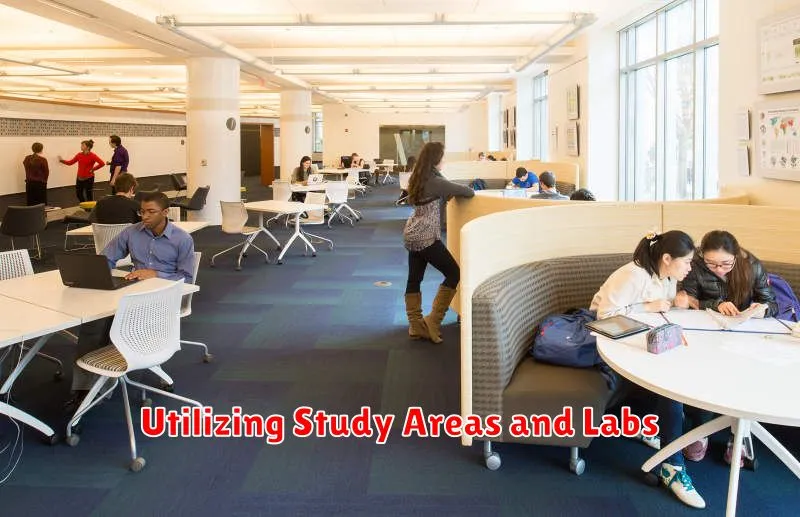
Beyond books, your campus library offers a variety of spaces designed to facilitate focused study and research. Study areas typically provide a quiet environment for individual work, often equipped with comfortable seating and ample desk space. Consider these areas for tasks like reading, writing, or reviewing notes.
Computer labs within the library grant access to specialized software, high-speed internet, and printing services. These resources can be invaluable for completing assignments, conducting research, or working on group projects. Be sure to check the library’s website or inquire at the information desk about software availability and printing policies.
Many libraries also offer group study rooms, which can be reserved in advance. These rooms provide a private space for collaborative projects and discussions, often including whiteboards or other presentation tools. Remember to respect the designated noise levels in each area and be mindful of other library users.
Accessing Digital Resources
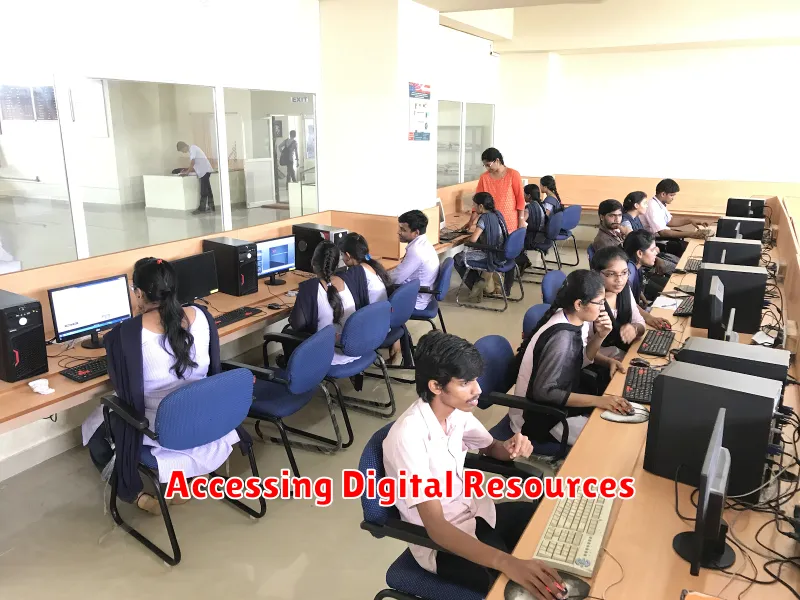
Your campus library offers a wealth of digital resources beyond physical books and journals. These resources, accessible on and off campus, provide a significant advantage for research and study.
Key databases subscribed to by the library offer access to millions of scholarly articles, ebooks, and other materials. These databases are often discipline-specific, allowing for targeted research within your field of study.
The library website serves as the primary portal for accessing these digital resources. Typically, you will find a dedicated search bar and categorized links to databases, online journals, and other digital collections. Library guides curated by librarians can help you navigate these resources effectively.
Off-campus access usually requires logging in with your student credentials. This ensures secure access to licensed materials. Check the library website for detailed instructions on remote access procedures.
Attending Library Workshops
Campus libraries frequently offer workshops designed to enhance your research and information literacy skills. These workshops can be invaluable in helping you navigate the library’s resources effectively.
Topics often covered include:
- Database Navigation: Learn how to effectively use library databases to find relevant scholarly articles, books, and other resources.
- Citation Management: Workshops on tools like Zotero or Mendeley can help you organize and format your citations correctly.
- Research Strategies: Develop strong research skills, including formulating research questions and identifying credible sources.
- Literature Reviews: Understand how to conduct a thorough literature review and synthesize information from multiple sources.
Check the library’s website or inquire at the information desk for a schedule of upcoming workshops. Attendance is typically free for students.
Getting Help from Librarians
Librarians are a valuable and often underutilized resource. They are experts in research and information retrieval and can provide personalized assistance with your academic work. Don’t hesitate to ask them for help.
When to Seek Help:
- You’re unsure where to start your research.
- You need help finding specific resources.
- You’re overwhelmed by the amount of information available.
- You need help citing your sources correctly.
How to Ask for Help:
Approach the librarian at the reference desk or information point. Clearly explain your research topic and the kind of assistance you require. The more information you provide, the better they can assist you. Be prepared to explain the research you’ve already done.
