

Time management is a crucial skill for students seeking academic success. Effectively managing your time allows you to balance the demands of coursework, extracurricular activities, and personal life. This article will provide effective time management strategies specifically tailored for students, helping you to improve productivity, reduce stress, and achieve your academic goals. Learning to prioritize tasks, schedule effectively, and avoid procrastination are key components of successful student time management.
Mastering time management techniques can significantly impact a student’s academic performance. From organizing study schedules to minimizing distractions, the strategies presented here will empower you to take control of your time and maximize your academic potential. This guide offers practical tips and actionable steps to implement effective time management for students, leading to improved grades, reduced anxiety, and a more balanced student life.
Why Time Management Matters
Effective time management is crucial for students to thrive academically and personally. It allows for a balanced approach to education, reducing stress and improving overall well-being.
Mastering time management skills empowers students to:
- Improve Academic Performance: By dedicating specific time slots for studying, assignments, and projects, students can improve focus and productivity, leading to better grades.
- Reduce Stress and Anxiety: Procrastination often leads to stress and anxiety. Effective time management helps mitigate these feelings by promoting a sense of control and accomplishment.
- Enhance Focus and Concentration: A well-structured schedule facilitates dedicated study time, minimizing distractions and improving concentration.
- Achieve Goals: Breaking down large tasks into smaller, manageable segments, combined with effective scheduling, helps students achieve both short-term and long-term goals.
- Increase Free Time: Ironically, effective time management creates more free time for leisure activities, hobbies, and social interactions by optimizing productivity during study periods.
Setting Priorities with Goals
Effective time management hinges on prioritizing tasks based on your goals. Establishing clear goals provides a framework for decision-making, ensuring you dedicate time to what truly matters.
Start by identifying your short-term and long-term goals. Short-term goals might include completing an assignment or studying for an upcoming quiz. Long-term goals might involve achieving a specific GPA or graduating with honors. Write these goals down to make them concrete and tangible.
Once you have your goals defined, prioritize tasks that directly contribute to achieving them. Use a planning tool, such as a planner or calendar, to schedule dedicated time for these high-priority tasks. Consider the importance and urgency of each task. Important tasks contribute to your long-term goals, while urgent tasks demand immediate attention. Ideally, focus on tasks that are both important and urgent.
Regularly review and adjust your priorities as needed. Life as a student is dynamic, and your goals and priorities may shift over time. Staying flexible and adaptable will help you stay on track and effectively manage your time.
Using a Planner or App
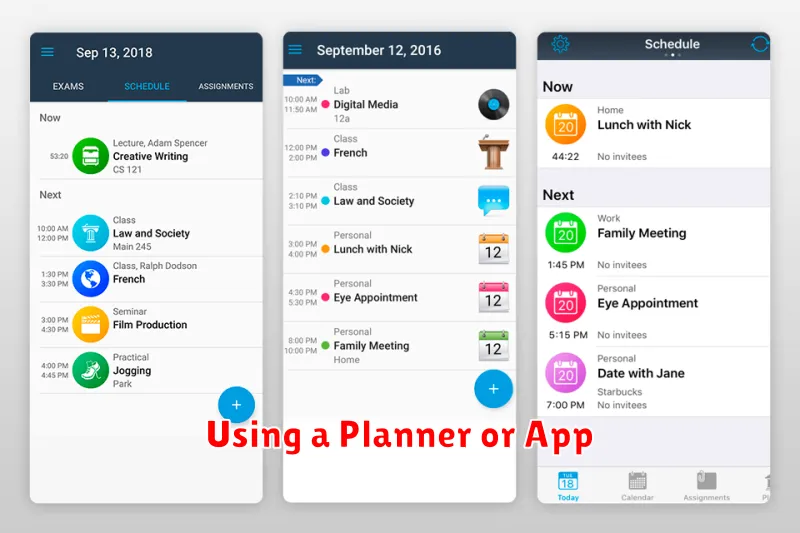
Digital or paper planners are invaluable tools for time management. They provide a centralized location to track deadlines, appointments, and study sessions. A planner allows you to visualize your commitments, helping you avoid overlapping schedules and prioritize tasks effectively.
Choosing the right planner is crucial. Some students prefer the tactile experience of a physical planner, while others opt for the convenience and portability of digital apps. Experiment to find what best suits your organizational style.
Key features to look for include:
- Monthly, weekly, and daily views
- Space for notes and task lists
- Reminder functionality (for digital apps)
- Customization options
Consistent use is key to success. Make it a habit to update your planner regularly, ideally at the end of each day, to ensure it accurately reflects your schedule and upcoming tasks. Review your planner at the beginning of each week to prepare and adjust as needed.
Avoiding Last-Minute Stress
Procrastination is a common student pitfall, often leading to overwhelming stress as deadlines approach. Effectively managing your time can significantly reduce this anxiety. Planning is key. Utilize planners, calendars, or digital tools to schedule assignments, study sessions, and even breaks.
Breaking down large tasks into smaller, manageable chunks makes them less daunting. Prioritize assignments based on due dates and importance. Tackle the most challenging tasks when your energy levels are highest.
Timeboxing, allocating specific time slots for particular activities, can also be beneficial. This technique promotes focused work and prevents tasks from sprawling over longer periods than necessary. By implementing these strategies, you can cultivate a proactive approach to your studies, minimizing last-minute stress and maximizing productivity.
Building Consistent Habits
Consistency is key to effective time management. Establishing regular habits helps automate tasks and reduces the mental overhead of planning every single action.
Start by identifying your most important tasks. These might include studying, attending classes, working on assignments, or engaging in extracurricular activities.
Create a daily or weekly schedule and allocate specific time slots for these tasks. Treat these scheduled blocks as non-negotiable appointments.
Prioritize tasks within your schedule. Focus on completing the most important and demanding tasks during your peak productivity periods.
Regularly review and adjust your schedule as needed. Life changes, and your schedule should be flexible enough to adapt while maintaining consistent core habits.
Finding a Healthy Routine
Effective time management hinges on establishing a healthy routine. This involves more than just scheduling study time. It encompasses prioritizing sleep, nutrition, and physical activity, all crucial for maintaining focus and energy levels.
A consistent sleep schedule helps regulate the body’s natural rhythms, improving cognitive function and reducing stress. Aim for 7-9 hours of quality sleep each night.
Proper nutrition fuels the brain. Regular meals and healthy snacks help maintain stable blood sugar levels, preventing energy crashes and promoting concentration.
Incorporating physical activity, even short bursts, can significantly impact cognitive function and reduce stress. A brisk walk, some stretching, or a quick workout can refresh the mind and boost productivity.
