
The college essay is a crucial component of the application process, offering a unique opportunity to showcase your personality, experiences, and aspirations to admissions committees. A strong college essay can set you apart from other applicants with similar academic credentials, making it a pivotal factor in determining your acceptance. This guide will provide you with invaluable insights and practical strategies to craft a compelling and memorable essay that effectively communicates your strengths and potential.
Navigating the complexities of the college application essay can be daunting. From brainstorming essay ideas to structuring your narrative and refining your prose, each step requires careful consideration. This comprehensive guide will break down the process of writing a strong college essay into manageable steps, equipping you with the tools and knowledge you need to create a powerful and persuasive piece that captures the attention of admissions officers. Learn how to choose a compelling topic, develop a captivating narrative, and showcase your unique voice to make a lasting impression.
Purpose of the College Essay
The college essay serves a critical purpose in the application process. It provides a unique opportunity for you to showcase aspects of yourself that may not be readily apparent in other parts of your application, such as your grades, test scores, and extracurricular activities.
Primarily, the essay allows you to demonstrate your personality, values, and writing abilities. Admissions committees use the essay to gain a deeper understanding of who you are as an individual, beyond the quantifiable metrics.
It’s a chance to tell your story, highlighting experiences that have shaped you and demonstrating your intellectual curiosity and critical thinking skills. The essay can also be used to explain any extenuating circumstances that may have impacted your academic performance.
Ultimately, a well-crafted essay can help you stand out from other applicants and make a lasting impression on the admissions committee.
Choosing the Right Topic
Selecting the right topic is the crucial first step in crafting a compelling college essay. The topic you choose should allow you to authentically showcase your personality, experiences, and perspectives. It should provide a platform for you to demonstrate your strengths and qualities to the admissions committee.
Avoid generic or clichéd topics that admissions officers have read countless times. Instead, focus on an experience that is meaningful to you. This could be a personal challenge you overcame, a significant accomplishment, a unique hobby, or a defining moment in your life. The key is to select a topic that you can write about with passion and insight.
Consider these questions when brainstorming potential topics:
- What experiences have shaped you?
- What are you passionate about?
- What makes you unique?
- What values are important to you?
Once you have a few ideas, reflect on which topic will allow you to best represent yourself and your potential contribution to the college community.
Writing with Authenticity and Voice
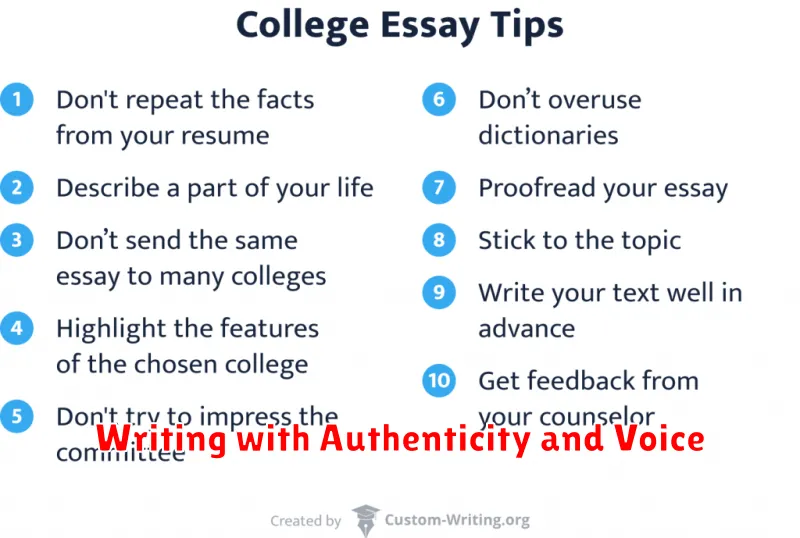
Authenticity is key to a compelling college essay. Admissions committees want to hear your unique perspective and experiences, not a generic, manufactured narrative. Write in your own voice, using language that feels natural to you. Don’t try to emulate a particular writing style or use overly complex vocabulary.
Voice refers to the personality that comes through in your writing. It’s what makes your essay distinctive and memorable. Think about your natural speaking voice and try to capture that same tone and energy in your writing. Let your personality shine through and allow the reader to connect with you on a personal level.
Consider these tips for writing with authenticity and voice:
- Reflect on your experiences: Choose topics that are genuinely meaningful to you.
- Be honest and vulnerable: Share your true thoughts and feelings.
- Use vivid language and imagery: Show, don’t tell.
- Read your essay aloud: This can help you identify areas where your writing doesn’t sound natural.
Editing and Reviewing Drafts
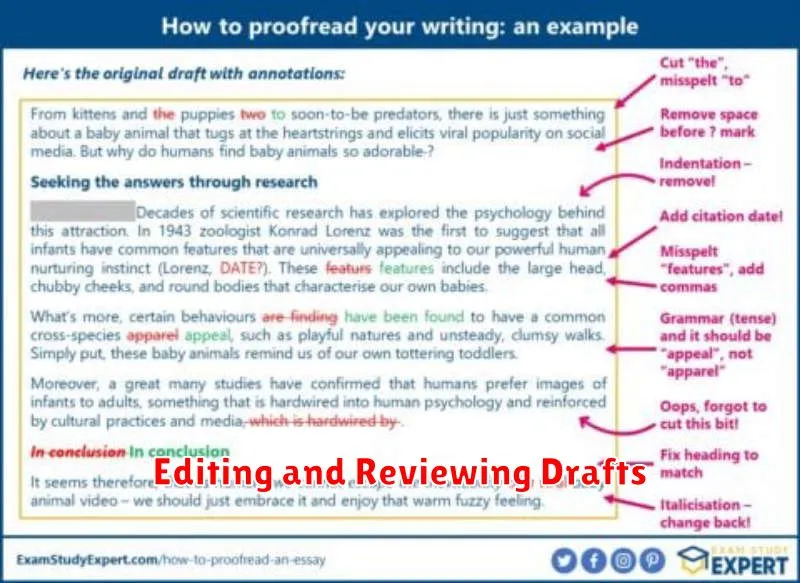
After completing your first draft, set it aside for some time. This allows you to approach it with fresh eyes later. A fresh perspective is crucial for effective editing.
Focus on Content First: Ensure your essay directly addresses the prompt and effectively conveys your core message. Check for clarity, conciseness, and logical flow of ideas. Is your narrative compelling and your personality evident?
Refine Language and Style: Scrutinize your word choice. Eliminate unnecessary jargon and clichés. Pay attention to sentence structure and variety. Ensure your voice is authentic and consistent throughout the essay.
Proofread Carefully: Errors in grammar and mechanics can detract from your message. Thoroughly proofread for typos, spelling mistakes, punctuation errors, and grammatical inconsistencies. Reading your essay aloud can help identify these issues.
Seek Feedback: Ask trusted teachers, mentors, or peers to review your essay. Their objective feedback can provide valuable insights and identify areas for improvement you might have overlooked. Consider their suggestions carefully and revise accordingly.
Avoiding Common Mistakes
A strong college essay requires careful attention to detail. Avoid these common pitfalls to ensure your essay stands out.
Lack of Focus
Do not wander off-topic. Your essay should directly address the prompt and maintain a clear, concise narrative. Every sentence should contribute to the overall message you are trying to convey.
Generic Content
Avoid clichés and generalizations. Admissions officers read thousands of essays. Use specific anecdotes and examples to showcase your unique personality and experiences. Show, don’t tell.
Ignoring Instructions
Adhere to all guidelines. Pay close attention to word limits, formatting requirements, and any specific instructions provided. Failure to do so demonstrates a lack of attention to detail.
Rushing the Process
Proofread carefully. Grammatical errors and typos detract from your message and create a negative impression. Take the time to revise and polish your essay before submitting it.
